Romania Beat the Podcast to Slow Storytelling by 80 Years — And It Outrated Everything on the Dial
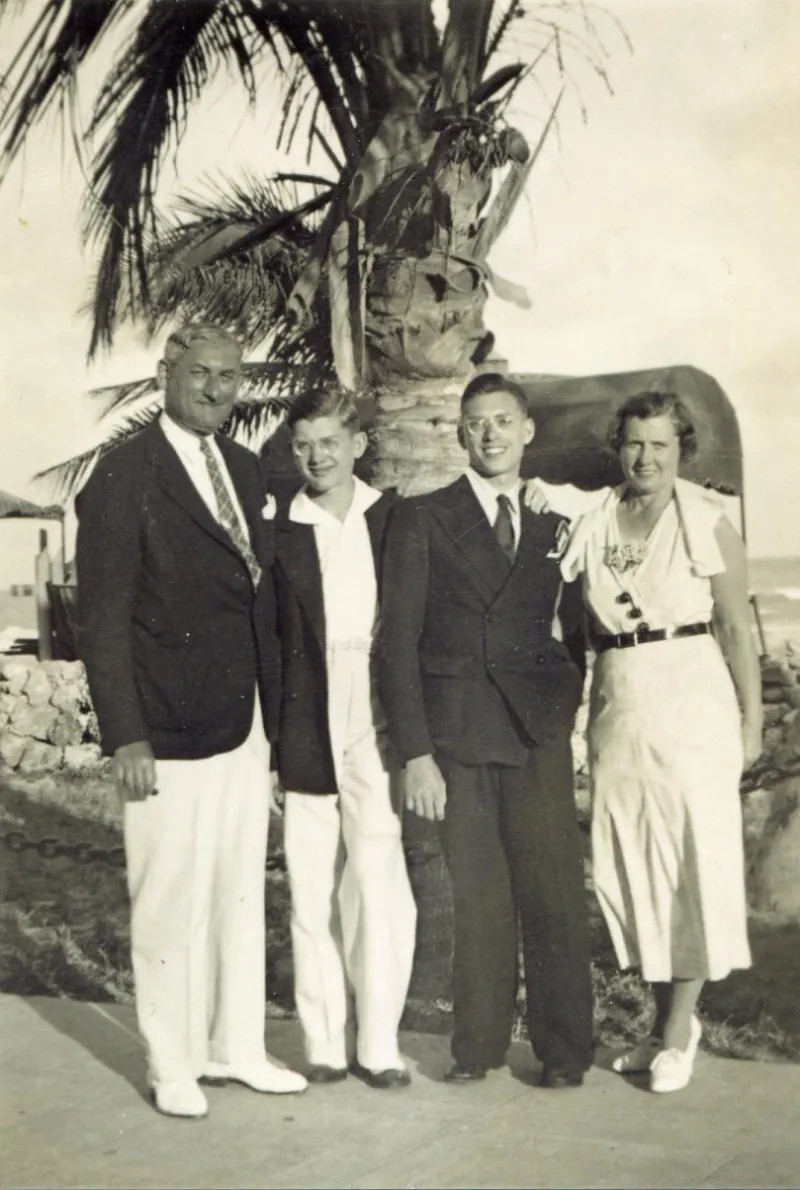
Photo: Family assistant, Demitz files acquired by FamSAC, Public domain, via Wikimedia Commons
Every few months, some media outlet rediscovers that people love slow, long-form storytelling and declares it a podcast revolution. The three-hour interview episode. The multi-part narrative series. The guy reading folk tales in a warm baritone while you drive home in the dark.
Friends. Romania did this in the 1930s. On radio. And it beat everything else on the airwaves.
The Man Who Put the Mountains on the Radio
Romanian radio was young in the interwar years — broadcasting began in 1928 — and like every new medium, it spent its first stretch imitating what already existed: music recitals, news readings, theater broadcasts. Then folklorist and composer Dumitru Comășel came along with an idea that sounds obvious now and was radical then: put actual folklore on the radio, performed properly, as a regular program people would plan their week around.
Comășel wasn't dabbling. He was a serious collector and scholar of Romanian folk music and tradition, part of the generation of interwar ethnographers who believed that village culture — the doinas, the ballads, the winter carols, the wedding laments — was a national treasure that modernity was quietly erasing. Radio, to him, wasn't a threat to folklore. It was the lifeboat.
His broadcasts of what were popularly called narațiuni din munți — narratives from the mountains — became a phenomenon. He didn't just play recordings. He told the stories: the outlaw ballads, the heroic deeds of haiduci in the forest, the mythic explanations for why the rivers run the way they run. Delivered with the pacing of a man who learned the craft from people who told stories around firelight, not from a script.
And audiences went wild. At a time when radio was the centerpiece of the home, his folklore programming drew listeners that put conventional programming to shame. Rural listeners heard their world validated on a national frequency. Urban listeners got something they'd never had: the mountains, delivered into their apartments.
Why This Was a Bigger Deal Than It Sounds
Consider what oral tradition actually was before this. It lived in a specific context — the șezătoare, the evening gathering, the spinning bees where stories were told while hands worked wool. You had to be there. The story belonged to the room.
Radio did something unprecedented: it decoupled the story from the room and shipped it across the country. A shepherd's ballad could now reach a listener in Bucharest who'd never seen the Carpathians at dawn. That's arguably the first mass-audio folklore experiment anywhere — the moment oral tradition learned to travel by electromagnetic wave.
Compare that to today's podcast boom and the parallels get almost uncomfortable:
- The host as storyteller. Comășel's broadcasts worked because of his voice and his authority, exactly the way narrative podcasts live or die on their hosts.
- Long-form patience. Folk ballads don't have cliffhangers every ninety seconds. Neither do the most successful modern audio dramas. The audience was never the problem — the pacing assumptions of advertisers were.
- Old material, new container. The content is centuries old. The delivery mechanism is the innovation. Always was.
The Attention Economy Keeps Proving the Same Thing
Here's my actual opinion, since this is an opinion piece: the reason oral-tradition content keeps winning is that it's the format the human brain was actually built for. Written storytelling is a few thousand years old and mass literacy is barely two centuries old in most places. Spoken narrative? That's 100,000 years of installed base.
Every generation, a technology comes along that lets one voice reach many ears — radio, cassette, streaming, podcasts — and every time, the old stories come flooding back and dominate. The medium changes. The mountain doesn't.
There's also something worth sitting with about why folklore specifically thrives in audio. These stories were never meant to be read silently. They were meant to be heard in company — to have a rhythm, a teller's breath, a pause before the wolf shows up. Podcasts accidentally recreated the firelight circle for millions of people wearing earbuds on commuter trains.
Comășel understood that before it was a business model. His broadcasts worked because he treated a shepherd's ballad with the same seriousness another programmer would give a symphony. No condescension, no ironic distance. Just: this is worth your evening.
The Lesson From the Dial
Romania's interwar radio experiment lasted a few years before war and then a different kind of regime swept the folklore programs off the air for their own reasons. But the template survived — in recordings, in archives, in the memory of everyone who gathered around the receiver.
And the template's core insight is one modern content strategists keep reinventing at great expense: people don't actually want more content. They want to be told a story by someone who believes in it.
The mountains have been narrating themselves for a long time now. Every so often, we invent a new way to listen.