The Wolf Was Never the Villain Here: A Carpathian Lesson for America's Predator Wars
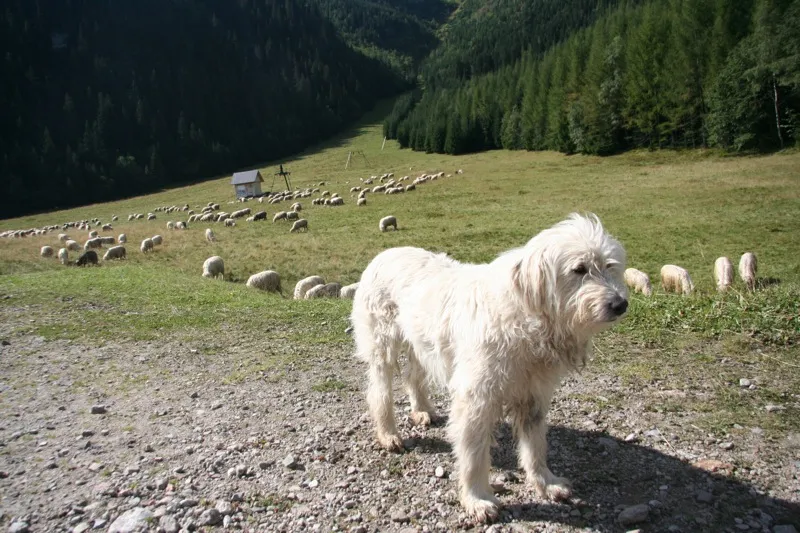
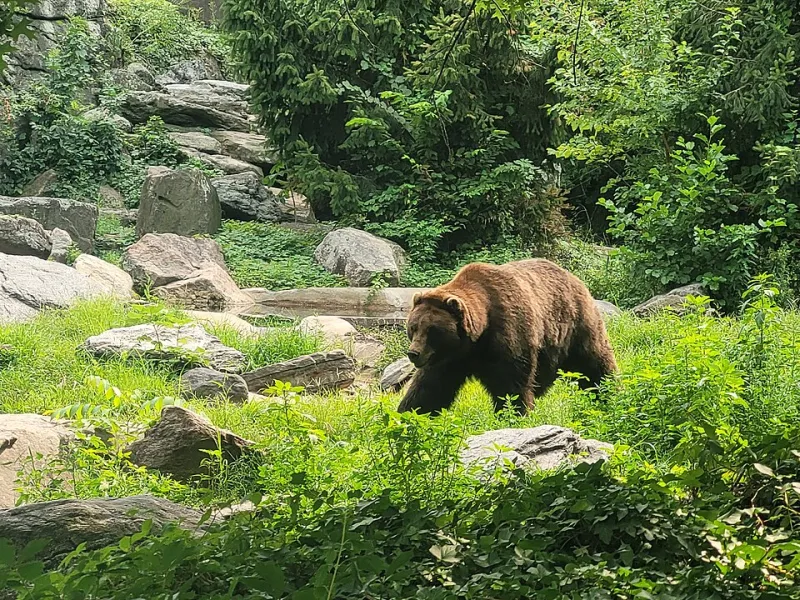
Photo: Iwona Erskine-Kellie from Vancouver, Canada, CC BY 2.0, via Wikimedia Commons
Drive up into the Carpathians and you will eventually see a sheepfold: a rough wooden enclosure, a few dogs the size of small bears, and a shepherd who looks like he has been awake since before the sun. This is wolf country. Romania has one of the largest wolf populations in Europe, and it has had it for a very long time. The wolves are not a recent reintroduction. They never left. The shepherds never eradicated them. And the sheep still come home.
That fact is worth sitting with, because the American wolf debate often feels like a religious war. On one side, wolves are symbols of wildness and ecological repair. On the other, they are symbols of government overreach and lost livestock. Both sides talk about management. The Carpathian model does not manage the wilderness into submission. It manages the relationship.
The Shepherd's Math
A shepherd in the Carpathians does not think about wolves in the abstract. He thinks about the night. He thinks about the gate that did not latch. He thinks about the dog that barked at the wrong time. He thinks about the ewe that wandered off. The wolf is not a moral test. It is a predator with a schedule.
Traditional shepherding in Romania is built around that schedule. Flocks are brought in at night. Pens are built close to the shepherd's shelter. Dogs are not pets; they are colleagues. The Carpathian livestock guardian breeds—the Bucovina shepherd, the Mioritic—are big, calm, and bred to stay with the flock rather than chase. They do not need to kill a wolf to do their job. They need to make the wolf decide that this particular sheepfold is not worth the trouble.
Fences help. Noise helps. Human presence helps. Nothing is foolproof. Livestock losses happen. Shepherds complain about them, sometimes loudly. But the goal is not zero wolves. The goal is a flock that survives.
Dogs, Not Rifles
This is where the American conversation often goes off the rails. We tend to frame predator management as a choice between eradication and total protection. The Carpathian approach is neither. It is a technology of deterrence. Dogs, pens, shepherds, and attention. It is less dramatic than a rifle and less photogenic than a howling wolf, but it works often enough to keep the system going.
Romania has had its own conflicts over wolf hunting and conservation. The country has had to balance EU wildlife protections, livestock compensation, and rural livelihoods. It is not a paradise. But the baseline assumption is different. The wolf is not an invader to be removed. It is a neighbor with bad manners.
That assumption shows up in folklore, too. In Romanian stories, the wolf is not usually the devil. It is dangerous, yes. It is also clever, hungry, and sometimes a helper. The wolf appears in creation myths and carols. It is part of the moral landscape. You do not have to like a neighbor to live next to him.
What Folklore Does
Folklore is not just decoration. It is a set of instructions. When a culture tells stories about wolves, it is teaching people how to behave around wolves. Do not leave a carcass near the village. Do not let the flock scatter. Do not assume the dark is empty. These are practical rules dressed up as tales.
American culture tells a different story. We have the big bad wolf, the wolf at the door, the wolf as a symbol of everything we fear about wildness. Then we reintroduce wolves and act surprised when the debate gets emotional. We are not arguing about ecology alone. We are arguing about a story.
The American Argument Misses the Point
The US wolf reintroduction debate—Yellowstone in the 1990s, Colorado more recently—tends to get stuck on absolutes. Wolves are either sacred or satanic. Ranchers are either villains or victims. The Carpathians suggest a third option: live with the animal, build better defenses, and accept that the outcome will be imperfect.
That does not mean American ranchers should simply copy Romanian shepherding. The landscapes are different. The scale is different. The politics are different. But the principle is portable. Coexistence is not a feeling. It is a set of practices. It is a dog that stays with the sheep. It is a pen that gets fixed. It is a compensation system that actually pays. It is a culture that stops pretending the wilderness can be made safe.
The wolf was never the villain in the Carpathians. It was a fact. The shepherds built their lives around that fact, and the wolves are still there. That is not a fairy tale. It is a working relationship, with all the friction that implies. And it is probably the most useful thing America could learn from a Romanian mountain.