Trash Panda Problems, Transylvanian Edition: What Happens When Your Suburb Has Actual Bears
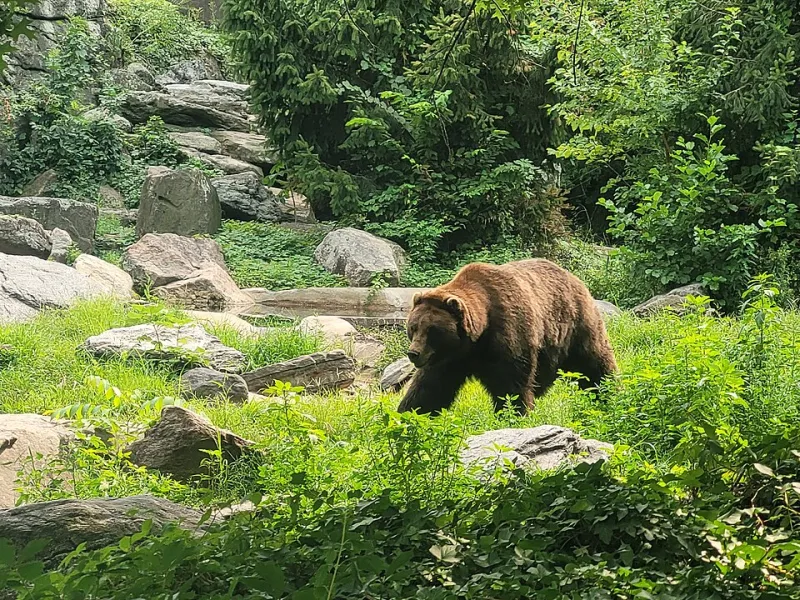
Photo: SnowFire, CC BY 4.0, via Wikimedia Commons
Picture your worst raccoon story. The one where it got into the garage, shredded the bird feeder, and stared you down from the deck like it paid rent.
Now multiply that raccoon by 600 pounds, give it a coat of thick brown fur, and add claws that can peel open a dumpster like a tin of sardines.
Welcome to Transylvania, where the bear at the end of the driveway isn't a viral anomaly. It's Tuesday.
Europe's Bear Capital Has a Bear Problem (Sort Of)
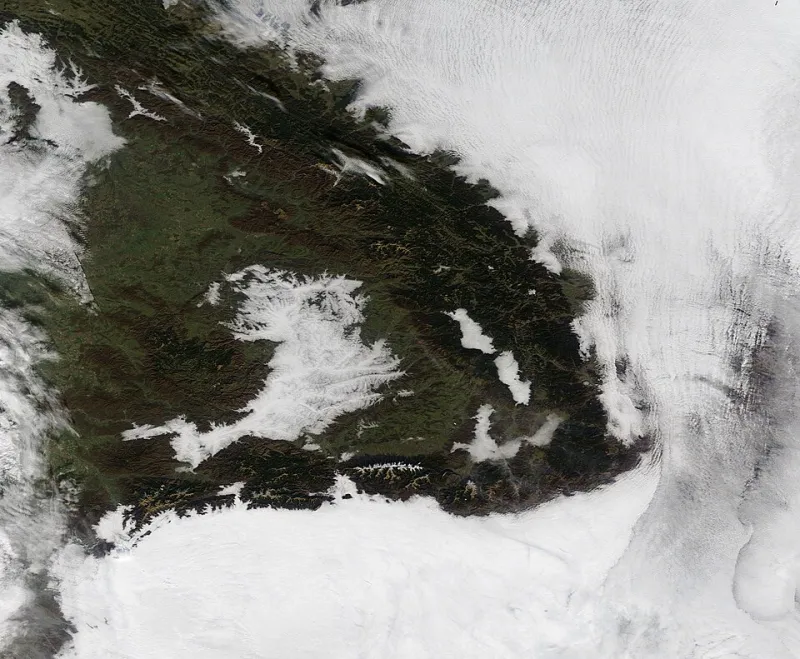
Romania is home to the largest brown bear population in Europe outside of Russia — estimates hover somewhere between 6,000 and 8,000 animals, depending on who's counting and how nervous they are about the question. The Carpathian Mountains, which hook across the country like a crescent moon, hold one of the last great wild forests on the continent. Bears never left. There was nowhere for them to go, and frankly, the mountains suited them fine.
The complication is that people live in those mountains too. Villages spill into forest edges. Orchards climb hillsides. Sheep graze meadows that are, technically, bear dining rooms.
So bears come down. They raid cornfields in late summer, when the crops are sweet and the calories matter before winter. They flip trash cans in towns like Brașov, whose city limits brush right up against national forest. Residents of some neighborhoods have learned not to leave pet food on the porch, and tourists staying in mountain guesthouses get a cheerful warning about not leaving food in the car — because a bear can open a car door the way you'd open a mailbox.
The Folksong That Warned Us
Here's the thing that gets lost when American media covers "bear attacks in Romania": the folklore saw this coming. Centuries ago.
The bear occupies a strange, honored, slightly feared slot in Romanian tradition. In the old winter ritual called Ursul — the bear dance — a performer draped in a real bear costume (once an actual bearskin) stomps through villages to the rhythm of drums, snapping its jaws at children and doorways. It looks like a street party. It's really a negotiation: a way of acknowledging the animal that takes from you, so it might also leave you alone.
In folk medicine and old belief, the bear was the healer — the animal whose paw could supposedly cure rheumatism, whose passage through a field made it fertile. Farmers didn't call bears monsters. They called them moșul, the old one. Respect the elder, and the elder respects the garden.
That's not a wildlife management policy. But it's a worldview worth paying attention to: the bear isn't an invader in the story. It's a neighbor with bad manners and a serious appetite.
Meanwhile, the Tourists Are Paying to Find Them
Now layer on the strangest part of the whole arrangement: the bears have become a destination.
Bear-watching safaris around Transylvania have boomed. Outfitters near Brașov and in the Harghita region run evening hide tours where visitors sit in camouflaged blinds and wait for brown bears to emerge from the treeline at dusk. Americans fly across the Atlantic, jet-lagged and giddy, to sit in silence for three hours hoping for a sighting — while locals a few miles away are installing electric fencing around their beehives and lobbying the government to do something about the ones that keep coming back.
Both things are true at once, and that contradiction is the whole story. The bear is simultaneously a nuisance, a neighbor, a hazard, and a national treasure. Ask a shepherd and ask a tour guide and you'll get two completely different animals.
What American Suburbs Could Learn From a Village That Can't Move
The US has its own large predators — grizzlies in the Rockies, black bears from Florida to New England — and the standard playbook is a familiar one: attractant management, hazing, relocation, the occasional controversial hunt. It's a policy conversation. Romania's situation is something else: a conversation with a creature that isn't going anywhere, in a country where the folklore already made room for it generations ago.
A few things mountain communities here seem to understand that a lot of American subdivisions haven't quite absorbed:
Coexistence is boring, unglamorous maintenance. It's locking up the garbage. It's not feeding wildlife — ever, not even the cute ones. It's accepting that living at the edge of wildness means occasionally losing a chicken. There's no summit, no resolution, no final fix. Just habits.
Fear and fascination can share a yard. The same village that complains about bears will tell you, five minutes later, exactly where a sow and her cubs were spotted last week. Ambivalence is a stable relationship model. Total war or total worship — both fail.
Stories do real work. The bear dance, the folktales, the respectful nicknames — these aren't quaint superstitions. They're a thousand-year-old curriculum for living beside something dangerous without needing to destroy it. Culture is the original wildlife management tool.
The Neighbor You Can't Evict
There's a version of this story where the bears are the problem and the solution is fences, translocation, and population control. There's another version where the bears are sacred and untouchable. Transylvania, stubbornly, lives in the middle — annoyed and enchanted, protective and fed up, sometimes in the same sentence.
Maybe that's the honest state of things. The Carpathians never promised anyone a sanitized wilderness. They promised apples in autumn, sheep on the hill, and the understanding that sometimes the biggest thing in your life has fur and doesn't answer to you.
The old ones in the villages would tell you: the bear was here before the fence. The bear will be here after. Learn the dance.