Sit Down, Shut Up, and Just Be: The Carpathian Philosophy of Rest That Predates Every Wellness Trend You've Ever Tried
Sit Down, Shut Up, and Just Be: The Carpathian Philosophy of Rest That Predates Every Wellness Trend You've Ever Tried
Let's be honest about something. The American relationship with rest is broken. We take vacations and check Slack from the pool. We meditate for five minutes and call it self-care. We brag about being busy the way previous generations bragged about their kids' grades — reflexively, compulsively, like we're afraid of what happens if we stop.
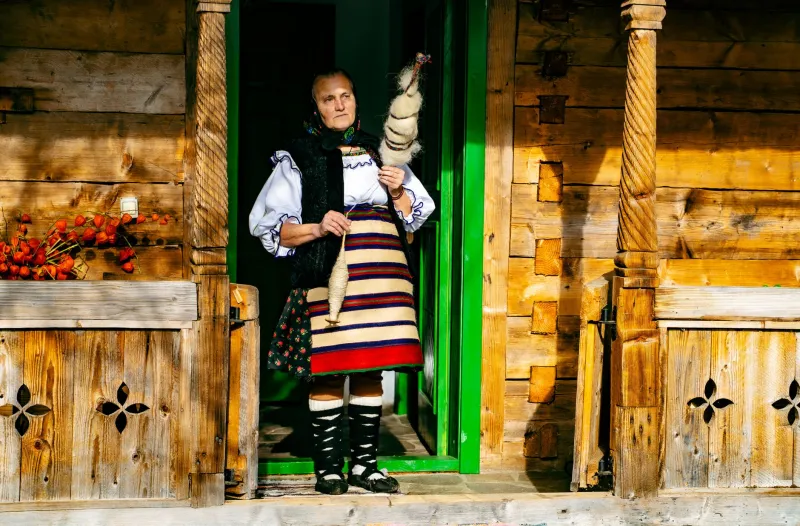
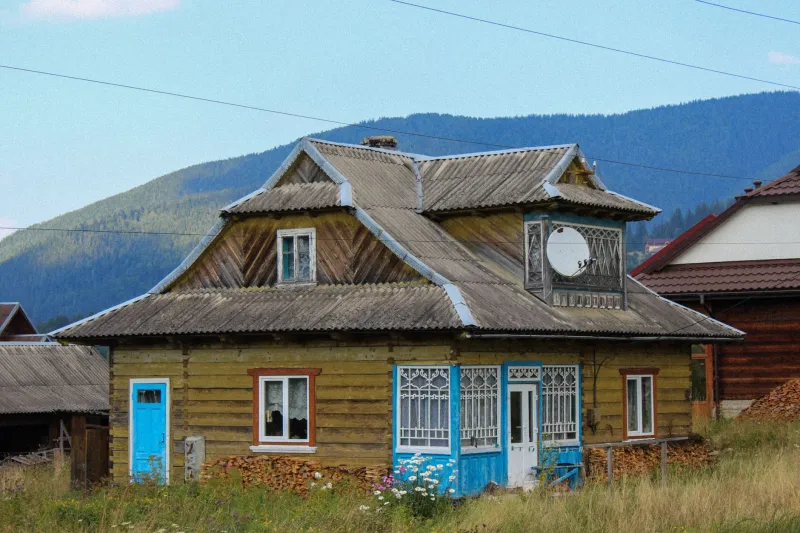
Somewhere in the Carpathian highlands, a Romanian grandmother is sitting on a wooden bench outside her house watching the afternoon light move across the mountains, and she is not thinking about her productivity metrics. She is not "recharging for tomorrow." She is not doing anything at all — and that is entirely the point.
The Romanians have a word for this way of living: trai. It doesn't translate neatly into English, which is probably why we've never borrowed it the way we borrowed hygge from the Danes or lagom from the Swedes. But the concept is just as rich, and in some ways, far older.
What "Trai" Actually Means (And What It Doesn't)
At its most literal, trai means something like "living" or "life" — but in the way Romanians use it, it carries a whole weather system of meaning. A trăi bine — to live well — isn't about wealth or status. It's about the texture of your days. It's about whether your bread tastes like something, whether your evenings have room in them, whether you know your neighbors well enough to sit with them in comfortable silence.
This isn't laziness, and it's worth saying that clearly because American culture tends to read stillness as a character flaw. Trai is active in its own way — it's a conscious orientation toward presence. It assumes that life has a rhythm you're supposed to follow, not a schedule you're supposed to dominate.
In traditional Carpathian villages, that rhythm was dictated by the seasons, and the seasons were non-negotiable. You planted when it was time to plant. You harvested when it was time to harvest. And crucially — you rested when it was time to rest. Not as a reward for productivity. Not as recovery for the next sprint. Just because the earth had gone quiet and you were supposed to go quiet with it.
The Harvest Pause Nobody Talks About
Most people know about harvest festivals in a vague, decorative sense — hay bales, pumpkins, that kind of thing. But in Romanian folk tradition, the period after the autumn harvest carried a specific social weight that went beyond celebration.
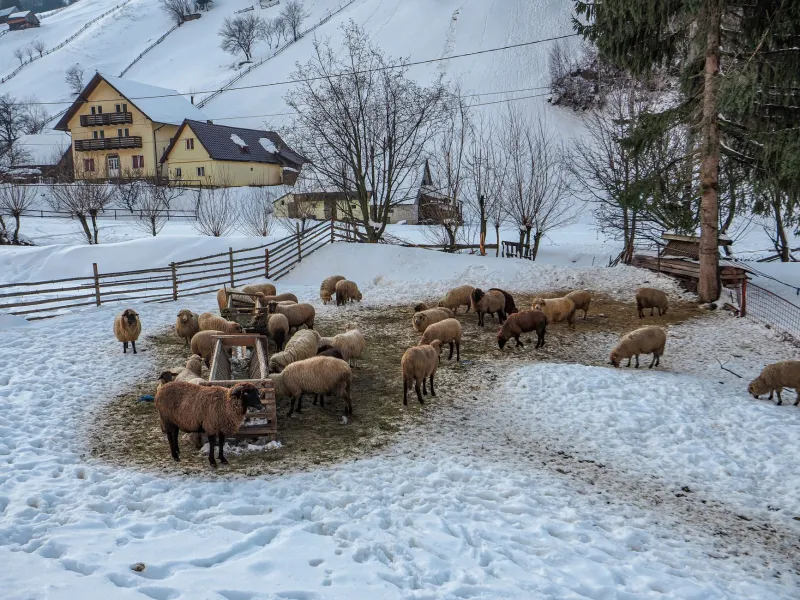
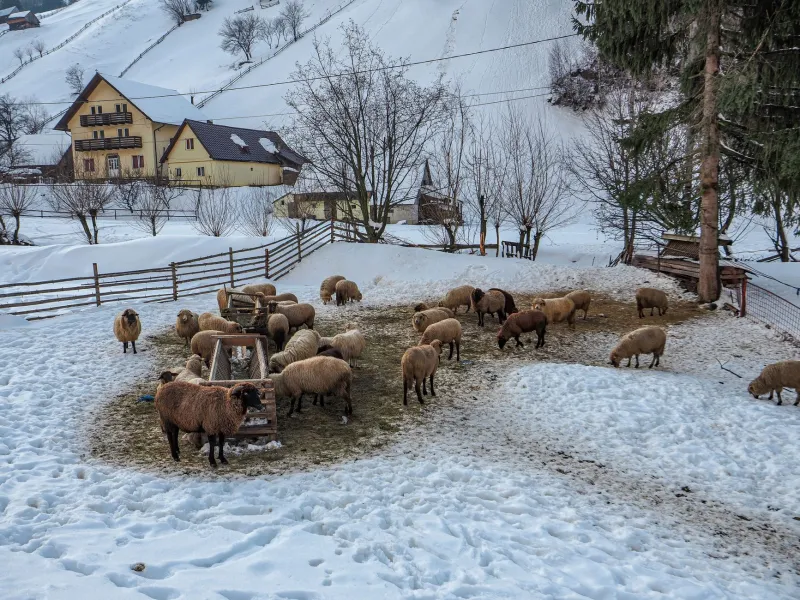
Once the fields were cleared and the root vegetables were in the cellar and the sheep had come down from the high pastures, there was a recognized cultural exhale. Communities would gather — not to plan the next thing, but to simply be together after the labor. Long meals stretched into evenings. Stories got told. Old songs came out. Elders held court. Children ran loose in the dark.
There was no agenda. That was the whole point. The communal table wasn't a networking event; it was a breathing exercise for an entire village.
This pattern repeated itself throughout the year, woven into the agricultural calendar in ways that modern life has almost entirely erased. The feast of St. Dumitru in late October signaled the official end of the pastoral season — shepherds returned, accounts were settled, and a period of slower, interior living began. Winter wasn't a dead zone to be survived; it was a season with its own rituals of storytelling, craft, and deliberate togetherness.
Communal Rest as a Spiritual Act
Here's where it gets interesting for anyone who's spent money on a mindfulness retreat: in Romanian folk belief, rest wasn't just practical. It was sacred.
Certain days were held as zile de odihnă — days of rest — that carried genuine spiritual gravity. Working on these days wasn't just frowned upon socially; it was understood to invite misfortune. The land needed rest. The animals needed rest. And so did you, whether you felt like it or not.
This framework removed the guilt from stopping. You weren't being unproductive — you were being correct. You were participating in an order larger than yourself. The Carpathian worldview didn't separate the human body from the natural world around it, so resting when the world rested wasn't indulgence. It was alignment.
Compare that to the modern American version, where rest has to be earned, then optimized, then justified with a Fitbit sleep score. We've turned recovery into another form of performance, and we wonder why we're exhausted.
Sitting Together Without Agenda
One of the quieter traditions embedded in Romanian village life is something that doesn't even have a flashy name — just the habit of gathering without a purpose. Neighbors pulling chairs into the street on summer evenings. Old men sitting outside the local shop saying very little. Women working with their hands while talking about nothing important.
This kind of low-stakes togetherness is increasingly rare in the US, where social interaction tends to be scheduled, themed, and time-boxed. We have dinner parties with dietary restriction spreadsheets. We have "catch-up calls" that feel like performance reviews. We've lost the muscle memory of just... being near people without producing anything from the encounter.
In Carpathian tradition, this kind of proximity was understood to have its own value. It knit communities together in ways that formal events couldn't. It was the connective tissue of village life — unscheduled, unpretentious, and quietly essential.
What America Could Actually Take From This
This isn't a pitch for moving to a Romanian mountain village, though honestly, worse ideas have been floated. It's more of a gentle provocation.
The wellness industry in the US is worth hundreds of billions of dollars, and a significant chunk of it is selling people a packaged version of what Carpathian grandmothers have been doing for free for centuries. The slow morning. The communal meal. The deliberate pause between seasons. The idea that rest is not a malfunction of ambition but a feature of a life well-organized.
Trai doesn't come in a subscription box. You can't download it. It's not a biohack. It's a cultural inheritance — one that says the quality of your ordinary days matters more than the peaks of your extraordinary ones, and that sitting still with people you love, watching the light change, is not wasted time.
It's actually the whole point.
So the next time someone asks what you did this weekend and you feel the urge to list your accomplishments — maybe try something different. Maybe say you sat outside for a while. You ate something good. You talked about nothing in particular.
And it was enough.
Because in the Carpathians, that's always been enough.