Sweet Dreams, Dark Warnings: The 500-Year-Old Romanian Lullaby That's Not Really About Sleep
Sweet Dreams, Dark Warnings: The 500-Year-Old Romanian Lullaby That's Not Really About Sleep
Put a baby to sleep in rural Romania — or at least in the Romania that existed for most of the last five centuries — and you didn't just hum a gentle tune. You performed a kind of protective ritual. You named the things that could harm your child, wrapped those names in melody, and sent them back into the dark where they belonged. The lullaby was armor. And most people singing it today have no idea.
For American parents scrolling through Spotify's "Baby Sleep" playlists or looping the same three tracks from a white noise app, that probably sounds extreme. But the tradition of Romanian cântece de leagăn — literally "songs of the cradle" — carries a philosophical weight that most Western bedtime routines have long since abandoned. These weren't just songs. They were instruction manuals for surviving a world where the forest wasn't just trees, and the night wasn't just dark.
What's Actually Being Said
The most widely recognized Romanian lullaby, "Nani, nani, pui de domn" (roughly: "Sleep, sleep, little lord"), sounds, on first listen, like any other soothing song. Soft vowels, a rocking rhythm, a mother's voice. But the lyrics — depending on the regional variant — often reference zânele, the fairies of Romanian folklore, in terms that are far from friendly.
In some versions, the zâne are warned away from the sleeping child. In others, they're invoked to stand guard — but only if properly appeased. The distinction matters. Romanian fairies aren't Tinker Bell. They're capricious, territorial, and known in folk tradition for stealing healthy children and leaving schimbătorii (changelings) in their place. Singing about them wasn't whimsy. It was acknowledgment.
Ethnomusicologist Dr. Ioana Constantin, who has spent years cataloguing folk music traditions across Transylvania and Moldavia, describes the lullabies as functioning on two frequencies simultaneously. "There's the surface melody, which calms," she explained in a 2021 interview with a Bucharest cultural journal. "And then there's the subtext, which teaches. The child absorbs both — consciously and not."
This dual-layer structure echoes what scholars of oral tradition call embedded pedagogy: using story and song to transmit survival knowledge across generations without it feeling like a lecture. Romanian lullabies, in this reading, were the original parenting podcast.
The Forest at the Edge of the Song
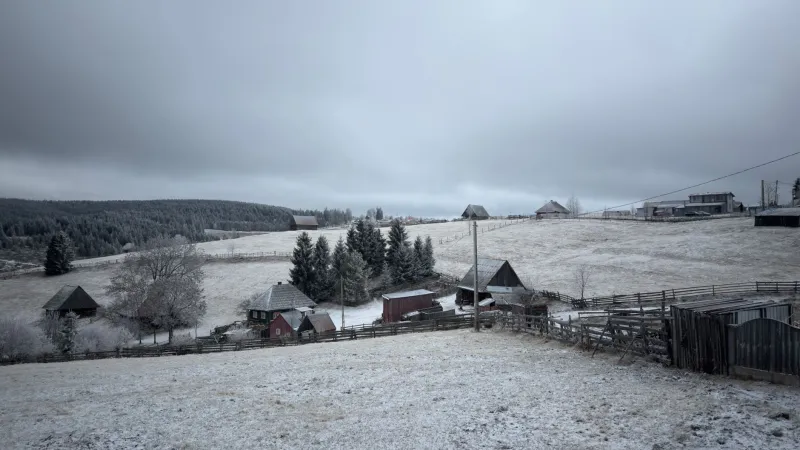
To understand why these songs carry such an edge, you have to understand the geography of old Romanian village life. Settlements in the Carpathian foothills and mountain valleys were often literally surrounded by dense, unpredictable wilderness. The forest wasn't a weekend hiking destination — it was where bears lived, where bandits hid, where children who wandered too far didn't always come back.
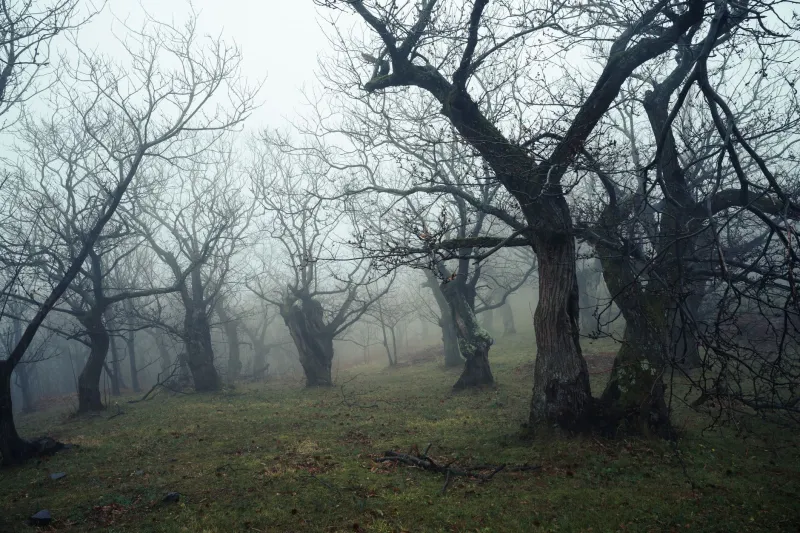
Folk belief filled that forest with strigoi, moroi, the Muma Pădurii (Mother of the Forest, a terrifying hag figure), and dozens of regional spirits with their own rules and appetites. Naming these entities in a lullaby wasn't meant to frighten the infant. It was meant to familiarize them — to make the child's subconscious aware, even in sleep, that the world had edges and those edges had teeth.
The doina tradition — that ancient, mournful Romanian song form that functions almost like an emotional frequency rather than a structured melody — also bleeds into lullaby practice. Some cradle songs adopt the doina's characteristic free-form, improvised quality, with mothers in certain regions historically composing verses on the spot, weaving in the specific worries of that particular night. A sick child, a husband away in the mountains, a hard winter coming. The lullaby became a kind of spoken diary, sung into the ear of someone too young to understand the words but old enough, somehow, to absorb the feeling.
Still Singing, in Chicago and Cleveland and Queens
Here's where it gets personal — and where the tradition gets genuinely moving.
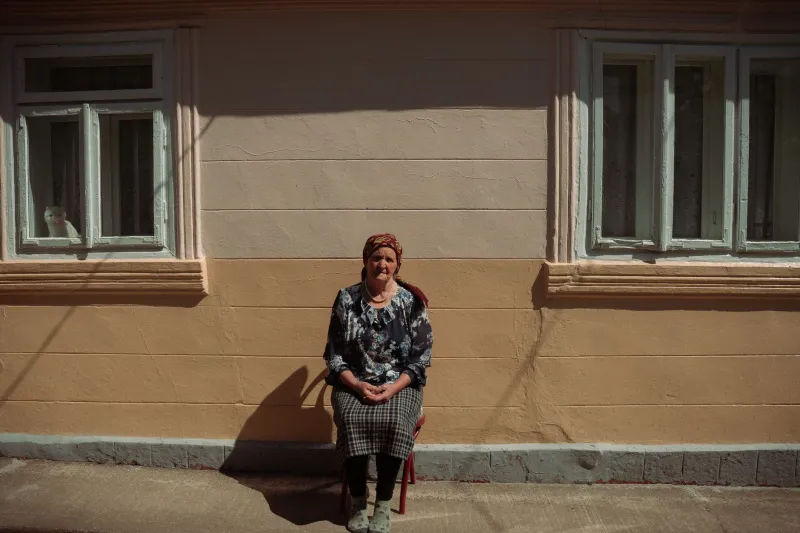
Talk to Romanian-American parents in diaspora communities across the US and you'll find a surprising number who still sing these songs to their kids, often without fully knowing why. Alina Petrescu, a Romanian-born mother of two living outside Chicago, says she learned the songs from her grandmother in Sibiu and has sung them to both her children since birth. "My kids were born here, they go to American schools, they watch American cartoons," she says. "But when I sing to them at night, I sing in Romanian. I don't even think about it. It just comes out."
When asked if she's explained the folklore behind the lyrics to her older child, now seven, she laughs. "A little. She knows about the zâne. She's not scared of them — she thinks they're interesting. Which is maybe exactly right."
That intergenerational transmission — even partial, even imperfect — is exactly what ethnomusicologists say keeps these traditions alive. The melody carries the meaning even when the meaning isn't fully articulated. The child who grows up hearing nani, nani in Romanian will carry something of the Carpathians with them, even if they've never set foot in Eastern Europe.
What American Parents Might Be Missing
There's a reason this feels exotic to American ears. The dominant Western lullaby tradition — "Twinkle Twinkle," "Rock-a-Bye Baby," "Hush Little Baby" — has been largely scrubbed of its stranger edges over the centuries. (Though "Rock-a-Bye Baby" is, if you think about it, about a baby falling out of a tree, which is its own kind of dark.)
Romanian lullabies never underwent that sanitizing process. They stayed close to the soil, close to the fear, close to the real texture of life in a place where nature was genuinely formidable and the spirit world was genuinely present — at least in the minds of the people living there.
For American parents curious about bedtime traditions from elsewhere in the world, the Romanian lullaby offers something rare: a song that respects the child enough to tell them, in the softest possible way, that the world is complicated. That there are things in the dark. That you, the parent, know about them — and you're here, and you're watching, and for tonight at least, everything is going to be okay.
That's a pretty profound thing to say to someone who's three months old.
The Song Goes On
The cântece de leagăn tradition isn't disappearing — but it is changing. In Romania, folk music programs in schools and regional cultural festivals work to keep these songs documented and performed. In the US, diaspora communities pass them on informally, parent to child, grandmother to grandchild, often without institutional support but with remarkable staying power.
You can find recordings online — some scholarly, some just Romanian grandmothers singing into their phones — and they're worth an hour of your evening. Not because they'll put you to sleep. But because they'll make you think differently about what a lullaby is actually for.
Sometimes a song about sleep is really a song about survival. And sometimes the most loving thing you can do for a child is sing them the truth, wrapped in something beautiful enough that they can bear to hear it.